Category Archives: Africa

West Croydon`s First Carnival of Cultures
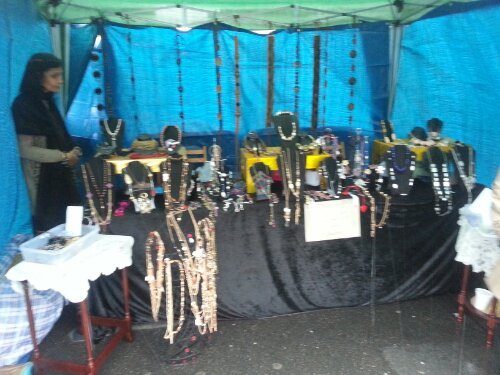
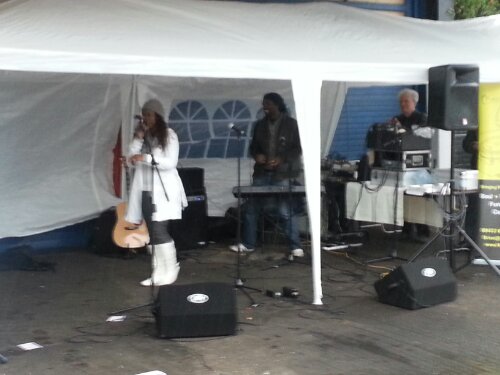
The 1st ever carnival of cultures was held at London Road,West Croydon on the 23rd of September, 2012. Community members braved the torrential rainfall to showcase their cultural wares, food and support. Please enjoy pictures and videos courtesy of Afrocentricity Unleashed.





Nigeria’s finest UK DJs industry party 2012
 If music is food for the soul,then DJs must be cooks for the soul(that is right! You heard it from afrocentricity unleashed first so no copyright infringement please :)).
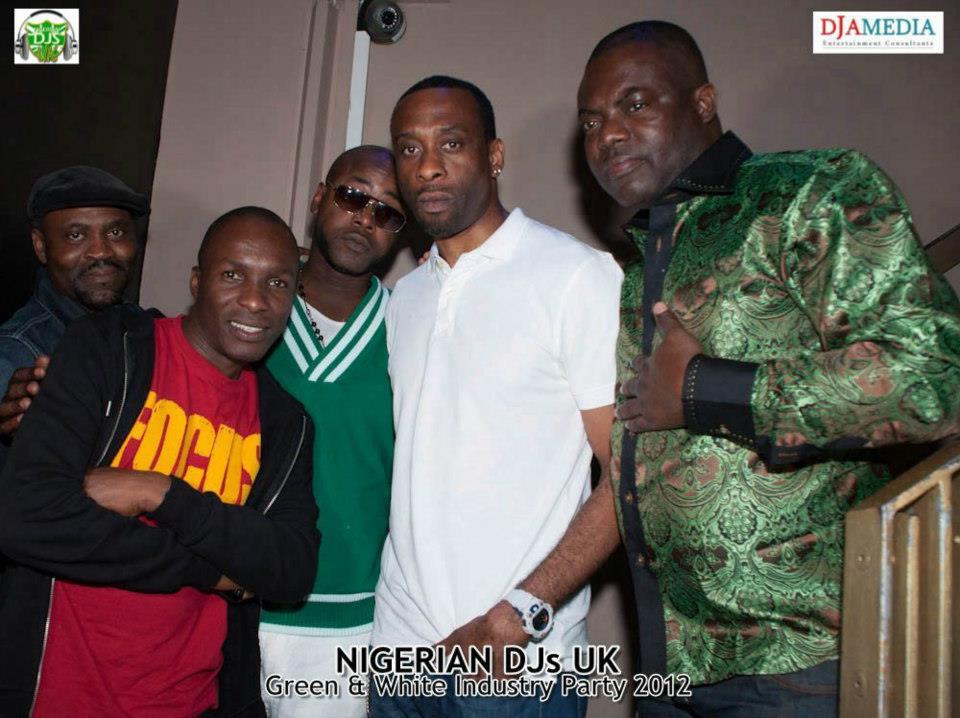
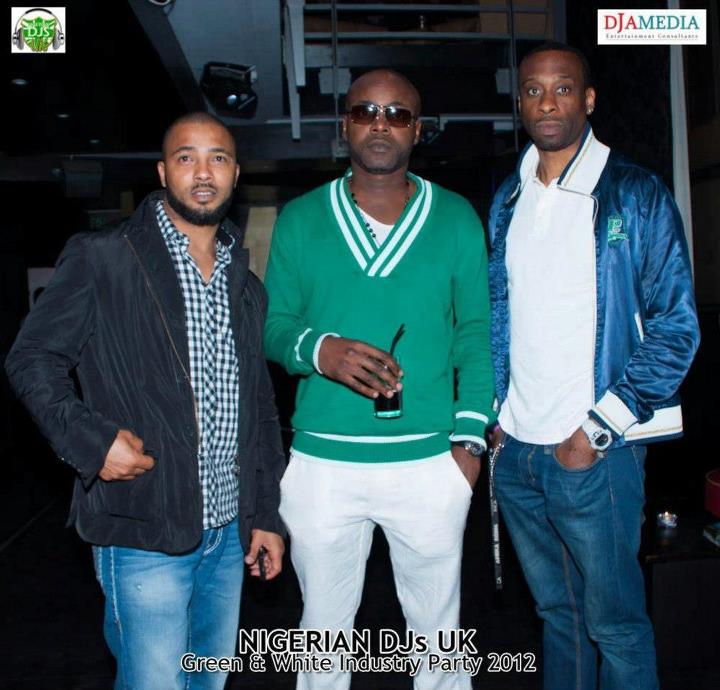
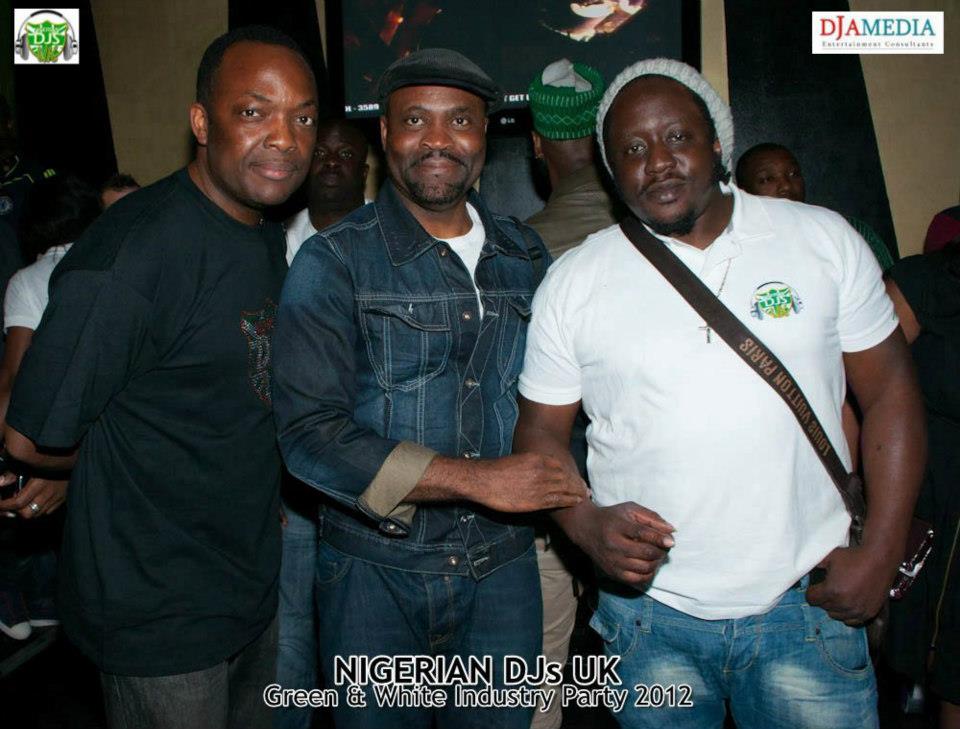
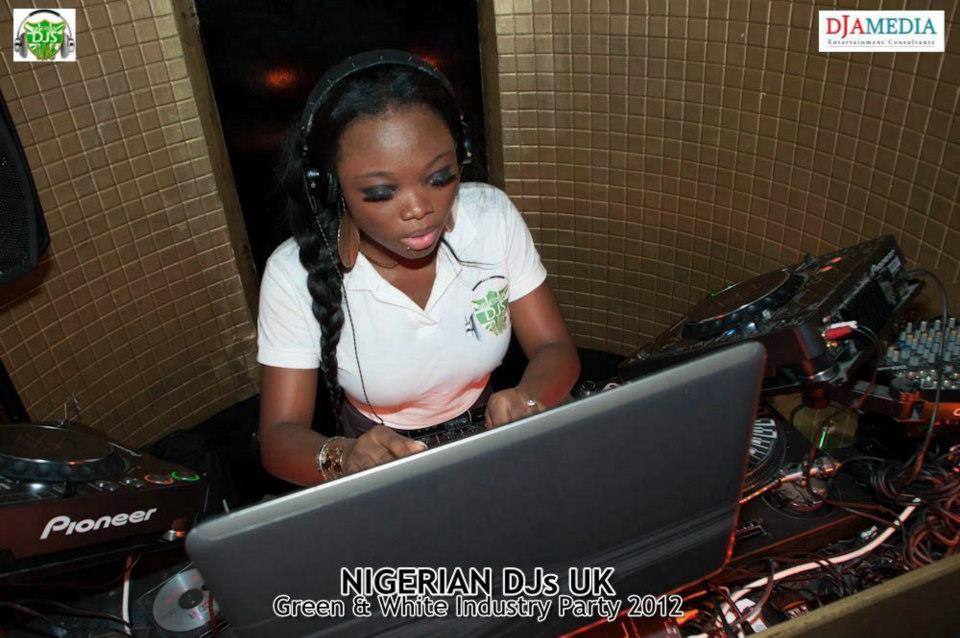
The 2nd annual Nigerian DJs UK party presented by nigerian djs uk, was held on Saturday the 23rd of August, 2012 at D`Den Legacy nightclub, Swiss Cottage, London. This annual event is the first of its kind anywhere in europe where the creme de la creme African and Nigerian DJs in the UK, other DJs with affiliation for afrobeats, afrobeats artistes, models, comedians and entreprenuers within the african and afrocarribean entertainment industry meet together to discuss general issues relating to the afrobeats industry.
I was privileged to be at this event which showcased the best of the best DJs in the afrobeats music industry, as well as the finest afrobeat mixes that will make a baby wriggle with excitement…i even had a good chat with one of my favorite DJ Edu from BBC 1xtra`s destination africa!(Follow @djedu)
Each DJ had a few minutes to spin not only their “turntable” but showcase their skills, versatility, ingenuity and innovations. It was also an opportunity for DJs to put their rivalries aside and rub minds,share ideas and opinions. I believe come-togethers of these kind can only bring about cooperation and structure within the afrobeats industry and create a continuous evolvement of this music style which is indeed a good thing…bigger picturewise. Talk about pictures, please enjoy the attached pictures courtesy of DJA Media.




Afrobeats in the world`s eye

Music is to the soul what words are to the mind-Words are the pen of the heart, music the pen of the soul. Quote by Modest Mouse.
African music has come a long way and is a significant part of the African Culture. In Yoruba history (A tribe originally from the western part of the African Continent, south west of Nigeria, but can also be found in Brazil), music is used as an instrument for communication, entertainment, enlightenment, information dissemination, expression and so on. “Ewi”(pronounced AHY-WE) can be described as a lyrically artistic, poetic rendition(akin to an ode)in the Yoruba language, used in telling stories about past wartime experiences of forefathers, folklore, children`s stories, exceptional heroic bravery stories, praise singing, and much more. One of my favourite “Ewi” is one of the many stories of the tortoise who is always depicted as a dodgy, cunning animal always on one quest or the other trying to outdo other animals…I promise I will tell you the story some other time. 🙂
This decade has seen the highest rise in African artistes, African music, international recognition as well as international collaborations more than ever. We are now seeing Afrobeats breaking the international barrier that Reggae broke decades ago. I would like to analyse, the best way possible, and in my own opinion, how this change came about.
First up! What is Afrobeats? The clue is in the name here…Afro (African) Beats (music). I will define Afrobeats as music whose roots and inspiration derives from Africa, by Africans (not necessarily indigenous to the continent)which might have a fusion of western styles and/or beats, as well as elements of cultural, political, social, historical and other factors attributed to the African continent.
Afrobeats is a subset of African music which appeals more to the younger generation due to its close resemblance in style and beats to international genres. The origin of afrobeats in my own opinion can be traced back to the mid-60s-early 70s when Fela Anikulapo- kuti started his band Koola lobitos (later known as Afrika 70 then egypt 80)and took the world by storm with performances all over the world. This brought about widespread attention to this “different” style of music which had elements of the African culture, African percussion instruments, gongs, as well as trumpets, tambourines, pianos, electric guitars and so on. The amalgamation of local and foreign musical instruments and style is what (in my opinion) culminated into the world recognized genre Afrobeats being acceptable on the world stage. This quickly grew popular with Africans(inside and outside of the continent) and people of African heritage in the diaspora due to their ability to identify with different elements of this genre.
Fela Anikulapo-Kuti was also a political activist who used his music as a tool to notify the world about the ills of the Nigerian society which was being ruled by military dictators at the time. This obviously did not sit well with the government back then due to the exposés of their misdemeanours.Fela washed their dirty laundry in public, hence bringing the world`s attention to political tyranny in the country as it was…as well as securing a comfortable spot on the first page of their bad books.
The Afrobeats genre has evolved over the years from close resemblance to more local African music, to being more international standard styled(if you like). This change in style, beats, and structure has brought the world`s attention to Afrobeat`s front door. Songs like Oliver Twist by D`banj , African Queen by Tuface Idibia, Chop my money(which means “Spend my hard-earned money”) by P-square etcetera have all received international attention due to their unique, indigenous, yet internationally tailored style. This has given rise to collaborations with A-list artistes like Kanye West, Rick Ross, Mary J Blige and loads more. These songs are being played alongside “big banging” tunes in clubs, rated on worldwide charts and reviewed by music critics. Oliver Twist by D`banj made it to the top 10 on MTV UK music charts which bases its ratings on downloads, hence making this song the most popular African song ever featured on the MTV charts.
Personally, I believe this is just the beginning of a long journey for Afrobeats on the world stage, and also a big opportunity for African talents to showcase their skills and culture to the world without getting overly “Americanized” since you loose your culture when you loose your identity and uniqueness. Music has always been a universal language and even children will dance to a nice tune even though they do not have a clue of what the song is about.
My advice to Afrobeats artistes in general is to keep it real with their roots i.e. Africa, and use their music as a communication, as well as an entertainment tool to the world. Please enjoy the attached video for your viewing pleasure. VIVA AFRICA!
Afrowoman: History, Roles and Responsibilities
 Mama Africa! I used to wonder where and how this name was derived and remember vividly asking my mum about the origin as a kid. I remember her saying “This coined name signifies Africa`s personification in terms of its ability to breastfeed her own children”.
History shows the significance of the African Woman over thousands of years making reference to her strength, passion, compassion, resilience, long suffering and so many other qualities that makes her idolized and revered by friends,families and the society in general.
Every African culture has a significant story or history portraying the role of the woman in her society. Ancient records show her as queen, goddess, scholar, diplomat, scientist, icon, prophet and freedom fighting warrior exalted with and sometimes above her father, husband and brothers. She is the epitome of multitasking balancing the needs of the husband with that of the children as well as other extended family members not to mention the society.
We have Historical African Women like Queen Nefertiti, Makeda the Queen of Sheba, Queen Ahmose-Nefertari, Queen Tiye, and Queen Nzingha, and the women warriors of Dahomey kingdom and even in recent times, Mrs. Funmilayo Ransome-Kuti(the mother of Fela Kuti the original pioneer of afrobeats, activist and human right activist) who championed the course on recognition of African Women in Nigeria in 1953 and founded the Federation of Nigerian Women Societies . According to Dr. John Henrik Clarke, “The first accomplishment of the African woman, in partnership with the man, was the creation of a functioning family unit. This major step in human development laid the foundations of the organization of all subsequent societies and institutions. In Africa the “woman’s place” was not only with her family. She often ruled nations with unquestioned authority.
Many African Societies still need to understand that the African Woman is not a figure head but an essential member of the family unit who creates equilibrium across it. A father earns his respect and honour among his children by treating their mother with respect and dignity. She in turn sings his praise to the children and he is revered and respected.
So how is the modern day “African Woman” stepping into the shoes of her ancestors? For one, the western influence and education have had positive and negative influences on the African Woman`s role (and I am not saying this as a male chauvinist pig but as a realist). The role of the African woman has evolved over the years due to (but not limited to)these factors which brings me to these points:
Should these apparent stimuli push the African Woman out of her lifelong role?
What happened to her duties inside the home which is very significant in the bigger society?
Do not get me wrong, we have a lot of African Women who are still aware of their roles and playing it to a T, but the question remains – what is going on with the ones that have lost the cause? Where did it all go wrong?
The African Woman needs to realize that she belongs to a lineage of Warriors, Leaders, Inspirers, Home makers and so on. She is the epitome of multitasking, a goddess who is respected at home and the world in general, a ruler and warrior. Her role with regards to the man is not a competitive one in which the man is the adversary, but rather an important partner (and vice versa) without whom her role cannot be complete.
African woman, take your rightful position of respect because you have earned it over time.
Please find some relevant read links below which you can also peruse. I would like some comments and other viewpoints regarding this issue.
http://afrikaworld.net/afrel/atr-women.htm
http://www.colorq.org/articles/article.aspx?d=2002&x=africanwarriors
http://www.globalaging.org/elderrights/world/2004/subsaharan.htm


This blog is now avaialble for downloads on your amazon kindle. Please visit http://www.amazon.com/gp/product/B0086LIB6U to check out our blogpage for Amazon kindle, and click the like button to show your support.
Thank you.
African Fashion Consciousness: The Evolution Of Adire(tie and dye) Textile Material
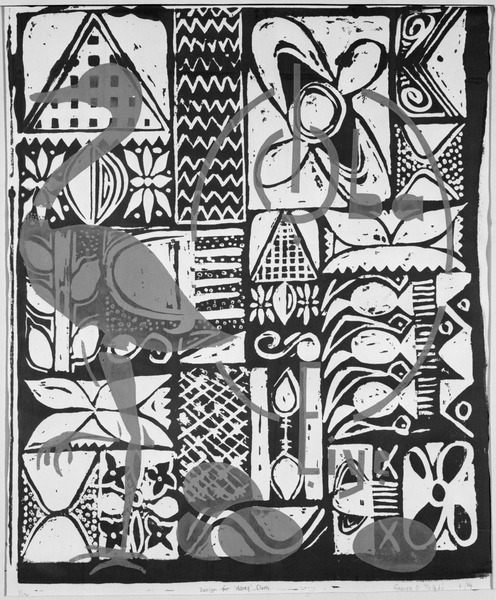 Adire ((AH-dih-ray)) which means tie and dye is the name given to the indigo-coloured dyed cloth used by women of the south western part of Nigeria, Africa using different types of resist dye techniques. Early records show that these tied designs became commercial in the early 20th century when exposure to imported European textile material materialized, and paved the way for local women dyers to innovate new artistic designs on these materials. However, in earlier centuries, adire appears to have been highly regarded; the tunic pictured solely on the right was acquired in the 1640s
 by a German collector who said it was the kind given by the “king” in a “knighting” ceremony (i.e., given to warriors by rulers). But by the mid-1950s, adire was considered a “budget” fabric worn only by less well-off women and by men as sleeping cloths, and as a way to recycle faded cloth. Not until the 1960s did adire become fashionable in West Africa, when expatriate African and African-American men started using adire for shirts as attractive way of celebrating their heritage.
The influx of European clothing materials in the mid 1930s did give rise to new techniques of resist dyeing including the practice of hand-painting designs on the cloth with cassava starch paste prior to dyeing known as “Adire Eleko”. This was also a means of cottage-industry income for Moslem women who were rarely permitted to leave their homes. Another method was to use sewn raffia, sometimes in combination with tied sections, while other cloths were simply folded repeatedly and tied or stitched in place. The basic shape of the cloth is that of two pieces of shirting material stitched together to create a women’s wrapper cloth. Examples of popular designs are the jubilee pattern (produced for the King George V and Queen Mary 1935), Olokun (goddess of the sea), Ibadandun (Ibadan is sweet).
Adire has obviously undergone some rapid transformation with regards to production and use over the past few decades. With the introduction of modern technology, innovation in the fashion industry and the Diaspora, there has been the introduction of other multicolour styled adire (other than the traditional blue),lighter tighter woven commercially made cotton materials, brocade, and other luxury textile material. Also, the introduction of the sewing machine allowed the creation of more detailed and elaborate patterns on these fabrics.
Has Adire taken a back seat in the fashion industry? Locall, I would say yes; but we seem to see more and more foreign designers and catwalk models adorning this artistic attire eloquently more than ever before. Combining adire with modern designs gives the ever so brilliant spectrum of colours a dazzling effect which can be spotted a mile away. Adire can be considered as being a natural summer attire which, with the effect of the sunshine on the material, creates a brilliant look…But then, the possibilities with adire are endless.
Reference : http://www.hartcottagequilts.com/africantextiles
Follow @AfroUnleashed
Stealing in the name of Jesus?
Christianity which literally means “Christ likeness” was established in the 1st century by disciples of Jesus mainly Peter, Matthew, James and John. Their immediate focus or should I say mission was to propagate the gospel (good news) across all nations…but these days, things have changed.
Now let us time travel all the way back to recent times; the Church has all of a sudden become a lucrative business in some quarters. With tax free money from offerings, donations from philanthropists, pledges, tithes and offerings,it is very easy for someone who is amoral in nature to get carried away by the amount of money coming in. This brings me to the subject matter “Stealing in the name of Jesus”.
Who was Jesus by the way? The bible says “He went about doing good, healing the sick and raising the dead”. I am not here to preach but to point out that the agenda of some present day pastors and preachers has obviously shifted from the foundation of their calling. There is more focus on the contents of people`s wallets, purses and bank accounts and how relinquishing their contents will make the bearers more prosperous. These teachings have been misconstrued and purported for selfish interests with no sense of altruism by some present day “Prosperity preachers”.
Over time, the Church has been invaded by corrupt, greedy money conscious people. There are still a whole lot of good hearted, dedicated preachers out there who live up to their God ordained expectations(or at least try to),but as the saying goes, “A few rotten eggs spoil the bunch”. How do you go about preaching to people out there when all they see mainly are the flashy typed, money focused pastors? Some of them say “My God is not a poor God” which I will agree to (as a matter of personal opinion), but he does not take money from innocent hardworking people does he?
Why would a preacher or pastor drive around in a luxury car, security convoy or have an aeroplane? Why should a preacher or pastor be so flashy as to boast of their Armani suits, Mauri shoes and Rolex Wristwatches? Why should a preacher get paid a ridiculously high salary? Why should a preacher or pastor use the Church credit card to purchase personal effects? Why should a “Man of God” be arraigned for tax evasion? The list of questions goes on and on (and I am sure you have some yourself).If the pastor or preacher has a second income then that is fine, but when everyone knows that nothing else comes in, the question is who funds these flamboyant lifestyle then?
Take Nigerian in Africa as an example, we have churches springing up in every nook and cranny, meters apart. I once counted 10 churches on one single street and could not help but wonder what the heck was going on? Most of these churches do not preach about righteousness, holiness and other core principles on which the religion was founded on but rather on the principle of the sower, the Shunamite woman, and chapters from Malachi, Melchizedek, and principles of prosperity (which will involve you dipping into that wallet or purse). They will hardly mention passages like the widows mite, and some other bible passages that involve giving what you can and not ruining your finances in the process. These types of preaching are quite predominant in countries with widespread poverty, economic and social problems hence the need for supernatural interference based on Christian belief.
When you start giving money to your church and get to the point where you cannot provide for your family or take care of your daily needs, the same bible which talks about giving says you are an infidel 1Timothy 5:8. Now why would any preacher ask you to give money which you cannot afford? The whole prosperity promotion agenda has obviously turned into a marketing strategy! Quite similar to buy one get one free, Gala Bingo, 888 or any other gambling operator! Jesus spoke about the principles of giving but never hammered on it, He was not into enriching himself out of the then church’s fund, he was not flashy because the disciples borrowed a donkey when he entered Jerusalem on palm Sunday in Matthew 21 (if he was flashy, he would have bought a horse and chariot or something like that).
I have a message for all those self-enriching pastors, general overseers, reverends (ironically named) etc out there, PRACTICE WHAT CHRIST PREACHED! Instead of using the money got from offerings, tithes and pledges to feed the hungry, support the widows, provide for the jobless, tend to the sick, shelter for the homeless, just like the bible says, you go around driving the latest flashy cars, adorning the “Blings” and living the celebrity lifestyle! Where is the Christlike humility in that?
A word of advice for the “givers” Matt 10:16 “Behold, I send you forth as sheep in the midst of wolves. Become therefore wise as the serpents and guileless as the sheep.” We have to be aware of these kinds of preachers and avoid them like a plague since all they do is usurp money off gullible people to enrich themselves. They focus more on prosperity than the basic principles of the bible which is “Love your neighbour as yourself”. Be choosy when it comes to where you give your money (if you want to give), if you sow seeds on rocky terrain, it will wither away.
It is about time to name and shame all those who enrich themselves “in the name of Jesus”, those who live the lifestyle that they normally cannot afford by digging into God`s pocket, those who do not live up to the basic principles of Christianity but treat their church members like cattle” Fatten them and feed off them”. Be not deceived God is not mocked, whatsoever a man sows, that will he reap. Change your ways before it`s too late! If God does not do anything for now, the Law eventually will.
As usual, your opinions on these matters are golden. Enjoy the video attached, a short documentary showing the moral decadence of some pastors and comment as you wish.
Vacancy: Young, African Leaders Required
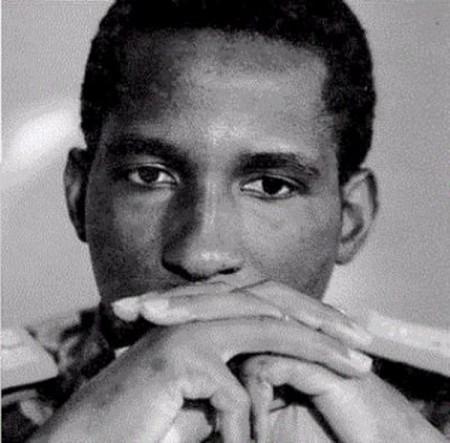 African countries have the oldest, long serving leaders in the world, fact! What I intend to show (with proof) below is a list of African leaders, their age, and tenure so far, and compare them to world leaders outside of Africa. After this, we can then discuss the underlying reasons behind such ridiculously long tenures.
– Teodoro Obiang Nguema of Equatorial Guinea, 69 years old, 32 years(incumbent)
– José Eduardo dos Santos of Angola, 69 years old, 32 years(incumbent)
– Robert Mugabe of Zimbabwe, 87 years old, 31 years(incumbent)
– Paul Biya of Cameroon, 78 years old, 29 years(incumbent)
– Yoweri Museveni of Uganda , 72 years old, 25 years(incumbent)
– King Mswati III of Swaziland, 43 years old, 24 years(incumbent)
– Blaise Campore of Burkina Fasso, , 60 years old, 24 years(incumbent)
This makes the average tenure of these well known worldwide leaders 28.14 years. That is 7 terms for a British prime minister or an American president! Now let us look at the longest serving “democratically elected” president or prime minister using the 20th century as a benchmark.
– Franklin Delano Roosevelt, 63 years old at the time of death, served 12 years 1 month and 8 days(4 terms in office)
– Margaret Thatcher,86 years old, served 11 years 206 days
I am not saying, and do not get me wrong, that we do not have leaders in other countries of the world who do the same. If we look at Cuba for example, Fidel Castro had been in power since 1965 and only resigned this year due to health reasons. He handed over power to his brother Raul in April hence turning the Cuban government into some makeshift monarchical leadership structure. My Focus in this blog is Africa which leads me to the questions:
– Why does Africa have such long serving presidents?
– Does it boil down to patriotism and the will to serve?
– Could it be for the lack of suitable alternatives?
– Could it possibly be the choice of the populace?
Or,
– Is it greed related?
– A continuous need to be in charge?
– Love for power?
Whatever the case is, the time bomb is ticking tick, tick, tick.
We all know what happened to Colonel Mummar Gaddafi over this past month and how the same people he ruled for some 30 odd years turned against him and hunted him down, killing him like a common criminal and airing it live for the world to see.
The truth is that most of these long serving greedy leaders came into power under very criminal circumstances plagued with murder, coup de tats, false imprisonments of innocent people, exile of officials from the previous government and so on. These vile leaders have therefore decided to hold on to the leadership of their countries and its running to feed their greed and selfish interests while not giving any opportunity to the younger, fresh idea generation to have a go at leadership.
It is also interesting how the Western governments host these individuals and invite them for banquets and important occasions. Well, I feel like this is double standards by all standards but then “Africans” need to resolve “African problems”. If the people do not revolt but mumble under their breaths, how will this continuous holding on to power by self-centred, personal gain focused, shameless African leaders cease?
We cannot move forward as a continent if these leaders remain in power, we cannot develop as a continent with vast resources if some African leaders are more focused on usurping money and amassing wealth. Corruption is spreading across all generations and age bracket, it has become a norm…”Even the president is doing it”!
We need a redress, an overhaul, a change in game plan and leadership, otherwise Africa will always be “THAT JUNGLE”!!!
As usual your opinions on this issue are golden and expected. Please comment as you please.


 Afrocentricity Unleashed
You must be logged in to post a comment.